
Technology
App Development Dallas: Costs, Services, Technologies & Trends

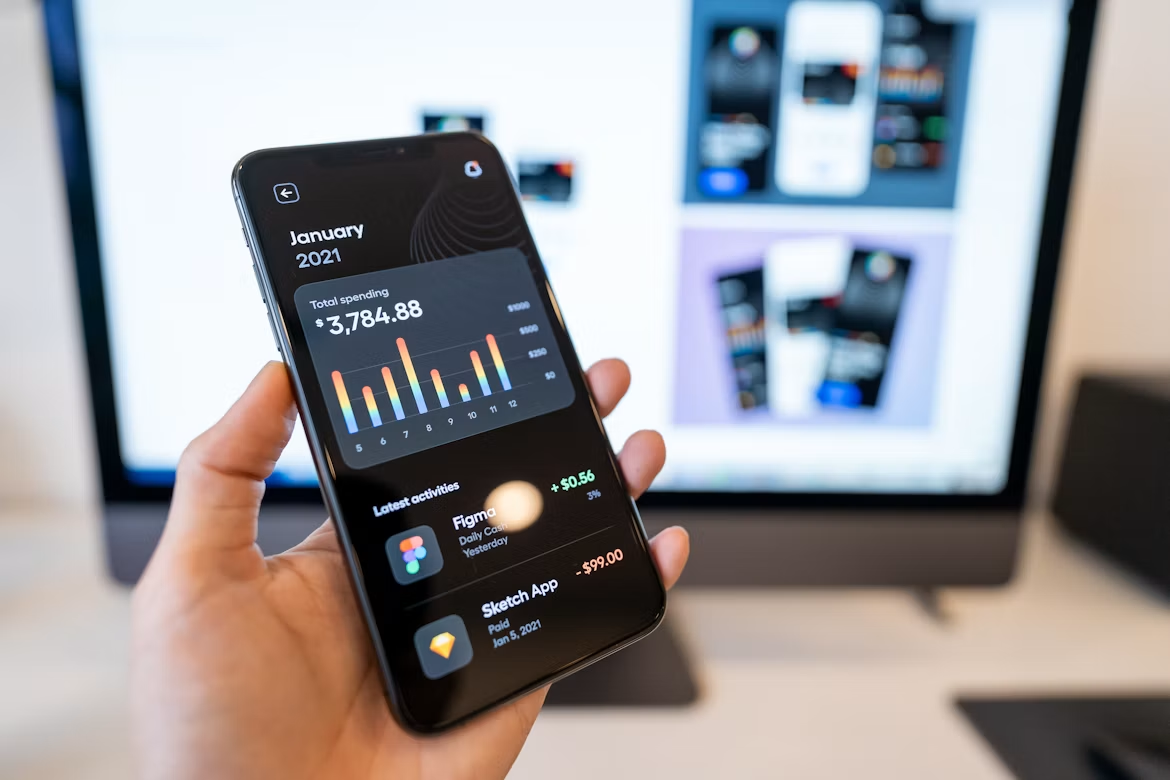
Businesses across industries are increasingly investing in mobile applications to improve customer experiences, streamline operations, and create new digital revenue opportunities. From startups to established companies, a well-designed application can become an important part of a modern business strategy. Understanding App development Dallas can help businesses evaluate development costs, technology options, services, and trends before starting a new project.
Dallas has a diverse business environment covering healthcare, retail, finance, logistics, real estate, hospitality, and professional services. This variety has created demand for applications that solve specific business problems rather than simply providing basic mobile functionality.
Why Businesses Are Investing in Mobile Apps
Mobile applications provide businesses with a direct digital channel for communicating with customers. Depending on the business model, an app can support online purchases, bookings, payments, loyalty programs, customer support, employee communication, delivery tracking, and many other processes.
For startups, mobile applications can help validate a business idea and collect valuable user feedback. Established companies can use them to modernize existing processes and provide customers with more convenient ways to interact with their services.
The most successful projects generally begin with a clear business objective. Instead of starting with technology, businesses should first identify the problem they want their application to solve.
App Development Services Available for Businesses
Custom Mobile App Development
Custom development allows businesses to create applications around their specific requirements. The development team can build features, workflows, integrations, and interfaces according to the organization’s business model.
This can be particularly useful when existing software does not provide the flexibility or functionality a company needs.
iOS and Android Development
Businesses can develop applications for iOS, Android, or both platforms. The decision depends on the target audience, budget, required functionality, and long-term business plans.
Native development can provide platform-specific performance, while cross-platform solutions can allow businesses to build applications for multiple platforms using a shared development approach.
Enterprise App Development
Larger organizations may require applications that support internal operations as well as customer-facing services. Enterprise apps can include employee dashboards, role-based access, reporting systems, workflow automation, communication tools, and integrations with existing business software.
A properly planned enterprise application can help organizations reduce repetitive manual work and improve access to business information.
How Much Does App Development Cost in Dallas?
The cost of developing an application varies considerably because every project has different requirements. A basic app with a limited number of screens and straightforward functionality will generally require fewer resources than a complex platform with real-time tracking, payments, multiple user roles, advanced analytics, and third-party integrations.
Several factors can influence the overall investment, including design complexity, number of features, development platforms, backend architecture, database requirements, API integrations, testing, security, and maintenance.
Ways to Manage Development Costs
Businesses can control development expenses by clearly defining the project scope before development starts. Creating an MVP is another practical approach. An MVP focuses on the most important features and allows a company to launch sooner, gather feedback, and decide which additional features should be developed later.
Avoiding unnecessary functionality during the initial release can also make development more manageable while keeping the product focused on its core purpose.
Technologies Used in Modern App Development
Technology selection should be based on the application’s functionality, performance requirements, scalability expectations, and available resources.
Native technologies such as Swift and Kotlin can be used for iOS and Android development respectively. Cross-platform frameworks such as Flutter and React Native can also be considered when businesses want to support multiple platforms through a shared development approach.
Backend development may involve technologies such as Node.js, Python, Java, or .NET. Cloud infrastructure can support databases, authentication, application hosting, analytics, storage, and scalable backend services.
The Role of AI in Mobile Applications
Artificial intelligence is becoming an important component of modern applications. Depending on the use case, businesses can integrate AI for personalized recommendations, intelligent search, virtual assistants, automated customer support, predictive analytics, content processing, and workflow automation.
However, AI should serve a clear business purpose. Adding AI simply because it is trending may increase complexity without delivering meaningful value. Businesses should identify specific processes where intelligent automation can improve the user or operational experience.
Emerging Mobile App Development Trends
AI-Powered User Experiences
AI is changing how people interact with applications. Natural-language interfaces, personalized recommendations, intelligent assistants, and automated responses can make applications more responsive and useful.
Businesses that collect substantial amounts of customer or operational data can also explore AI-powered insights to support better decision-making.
Cloud-Based Application Infrastructure
Cloud technology allows applications to support changing levels of demand without requiring businesses to maintain all infrastructure themselves. Cloud services can also simplify data storage, application monitoring, backups, and integrations.
Scalable infrastructure is particularly important for applications expecting rapid user growth.
Increased Focus on Security
Modern applications frequently handle personal information, payments, business data, and account credentials. Security therefore needs to be considered throughout the development lifecycle.
Secure authentication, encryption, access management, API protection, regular updates, and security testing can help reduce potential risks.
Real-Time Mobile Experiences
Real-time functionality is becoming increasingly common in delivery, transportation, healthcare, logistics, and service applications. Features such as GPS tracking, live notifications, messaging, and real-time status updates can provide users with timely information.
Comparing Texas App Development Markets
Businesses exploring app development austin may also evaluate providers in Dallas and other technology markets across Texas. Each project should be assessed according to its technical requirements, business goals, budget, communication needs, and long-term support expectations rather than location alone.
Companies should review portfolios, development methodologies, technical capabilities, testing procedures, security practices, and post-launch maintenance before selecting a development partner.
Businesses considering an App development Company Houston can apply the same evaluation process. A development partner should be able to understand the business objective, recommend suitable technologies, communicate clearly, and provide support beyond the initial launch.
How to Choose the Right Development Partner
The right development partner should offer more than coding services. Look for a team that can contribute to planning, UI/UX design, architecture, development, quality assurance, deployment, and maintenance.
Before signing an agreement, discuss project ownership, timelines, deliverables, communication methods, testing, source-code access, and post-launch support. A detailed proposal can help prevent misunderstandings and provide greater visibility into the overall project.
Conclusion
Mobile applications can help businesses improve customer engagement, automate processes, and create new digital opportunities. From custom applications and enterprise solutions to AI-powered experiences and cloud-based platforms, businesses have a wide range of technologies and development approaches to consider.
The right strategy begins with understanding your users and defining the business problem. From there, selecting appropriate technologies, prioritizing essential features, planning for security, and working with an experienced development team can create a stronger foundation for long-term success.
Ready to turn your mobile app idea into a practical digital solution? Define your goals, identify your essential features, and connect with an experienced development team to plan, build, and launch an application designed around your business needs. Start your app development journey today.
-
 Technology2 weeks ago
How AI-Powered Mobile Apps Are Transforming Business Growth and Customer Engagement
-

 Health2 weeks ago
Gelato Strain: Sweet Dessert Flavour with Balanced Hybrid Effects
-

 Business1 week ago
Amazon Data Security Practices
-

 Finance3 days ago
Smart Habits for Investing in Large Business Groups
-

 Sports3 days ago
How Casino Parties Can Make Your Event More Exciting and Memorable
-

 Fashion18 hours ago
Inside the Boutique: Why the In-Store Experience Drives Posh Abaya’s Five-Star Reviews