Construction
Factors to Consider When Installing Railcar Culverts

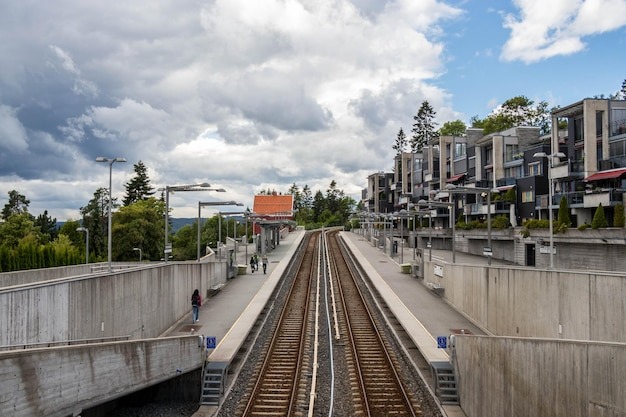
Installing a culvert beneath a railway or other heavy-load transportation area requires careful planning, engineering, and site preparation. These structures are designed to allow water to pass beneath rail lines, roads, or other infrastructure while supporting substantial loads above. Railcar culverts can provide an effective solution for drainage and water management, but their design and installation must account for site conditions, structural requirements, drainage needs, and applicable regulations.
1. Evaluate the Site Conditions
Before installation begins, conduct a detailed assessment of the proposed site. Consider soil type, groundwater conditions, existing drainage patterns, terrain, and the location of nearby infrastructure.
Understanding these conditions helps engineers determine whether the selected culvert design is appropriate. Poor site evaluation can lead to settlement, erosion, drainage problems, or structural complications after installation.
2. Determine the Required Culvert Size
The size of the culvert should be based on the amount of water that needs to pass through the structure. Engineers may evaluate rainfall patterns, watershed characteristics, existing channels, and expected peak flows.
Railcar culverts should provide enough capacity to manage anticipated water flow without causing upstream flooding or excessive pressure around the structure. Oversizing or undersizing can both create unnecessary challenges, so proper hydraulic analysis is important.
3. Consider Structural Load Requirements
Railway infrastructure can place significant loads on structures installed beneath tracks. The culvert must be capable of supporting expected rail loads, surrounding soil pressure, and other forces associated with the site.
Structural calculations should account for both normal operating conditions and potential variations in loading. Qualified engineers should determine the appropriate design specifications based on the project requirements.
4. Assess Soil and Foundation Conditions
Soil characteristics can have a major effect on the long-term performance of a culvert. Weak, unstable, or highly compressible soils may require additional foundation preparation or stabilization.
Proper bedding and foundation work can help distribute loads and reduce the risk of settlement. Railcar culverts should be installed on a stable base that is prepared according to the engineering design and manufacturer’s or project’s specifications.
5. Plan Drainage and Water Flow
Effective drainage planning is essential to prevent water from accumulating around the culvert or railway infrastructure. The inlet and outlet should be positioned to promote smooth water movement and reduce the potential for blockages.
Engineers should also consider erosion protection around the outlet, particularly where water may leave the culvert at high velocity. Appropriate grading and drainage features can improve the overall performance of the installation. Proper drainage planning also helps protect the surrounding soil and railway infrastructure from water-related damage over time.
Final Thoughts
Installing railcar culverts requires more than simply placing a drainage structure beneath a railway. Site conditions, hydraulic capacity, structural loads, foundation stability, materials, safety requirements, and long-term maintenance all need to be considered. Working with qualified engineers and experienced contractors can help ensure that the culvert is appropriately designed and installed for its intended environment. Careful planning and regular inspection can also improve reliability, reduce future repair needs, and support safe and effective water management beneath rail infrastructure.

-

 Technology2 weeks ago
How AI-Powered Mobile Apps Are Transforming Business Growth and Customer Engagement
-

 Technology2 weeks ago
App Development Dallas: Costs, Services, Technologies & Trends
-

 Health2 weeks ago
Gelato Strain: Sweet Dessert Flavour with Balanced Hybrid Effects
-

 Business1 week ago
Amazon Data Security Practices
-

 Finance3 days ago
Smart Habits for Investing in Large Business Groups
-

 Sports3 days ago
How Casino Parties Can Make Your Event More Exciting and Memorable
-

 Fashion21 hours ago
Inside the Boutique: Why the In-Store Experience Drives Posh Abaya’s Five-Star Reviews