Automotive
Benefits of Choosing Stainless Steel Piston Rings for Heavy-Duty Engines

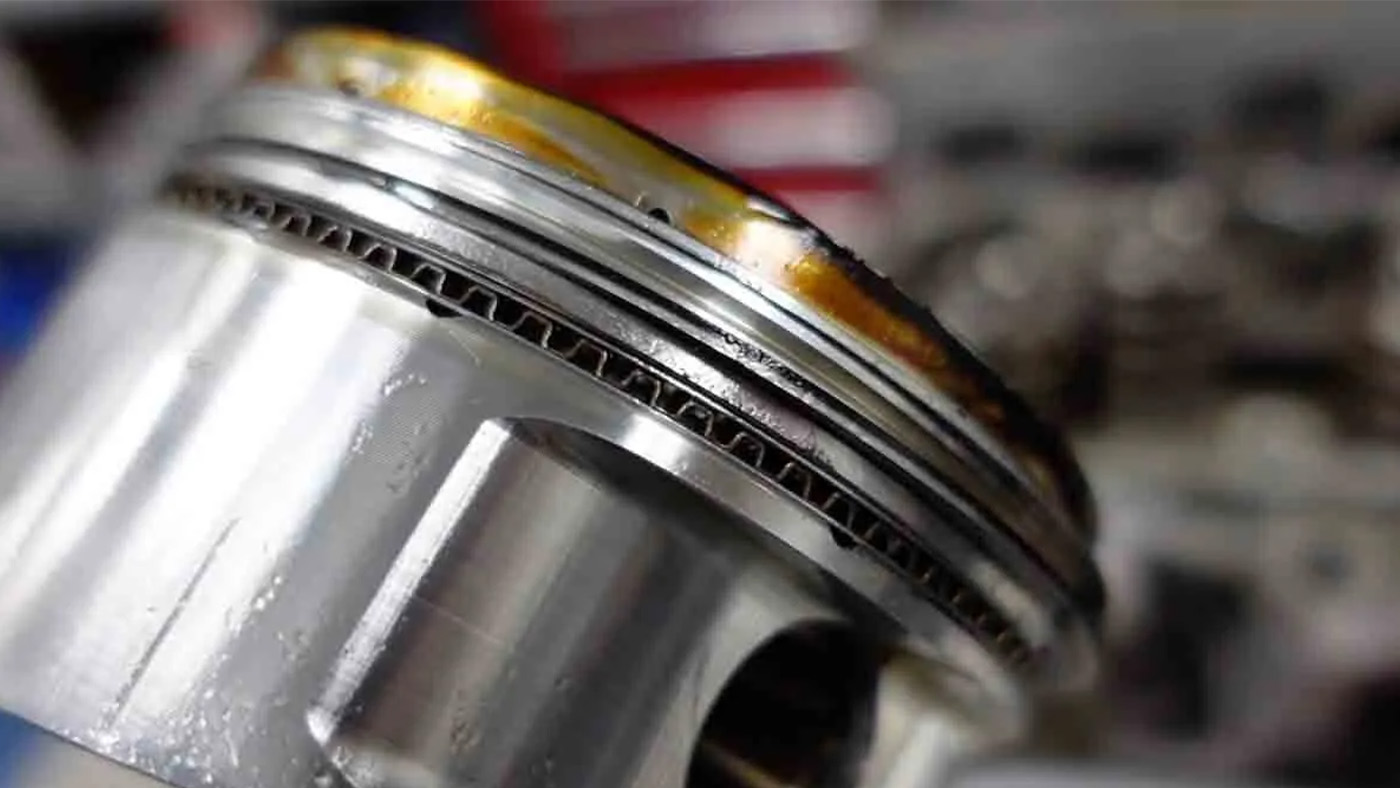
Heavy-duty engines face particularly demanding operating conditions that require components capable of withstanding sustained, intense mechanical stress. Understanding how specific materials support these demanding applications helps illustrate why component selection matters even more significantly in this context. Exploring these benefits helps demonstrate the value of choosing appropriately durable materials for heavy-duty engine applications. Understanding the full picture, rather than focusing on a single factor, supports smarter overall decisions.
Why Heavy-Duty Engines Present Unique Component Challenges
Heavy-duty engines typically operate under more sustained load and higher temperatures compared to standard passenger vehicle engines. This demanding operating environment accelerates component wear, making material durability an especially important consideration for these applications. Understanding this unique challenge helps explain why heavy-duty engine builders often prioritize more robust component materials. Recognizing this reality supports more informed component decisions for demanding engine applications. Setting clear expectations from the outset helps avoid confusion or disappointment later in the process.
The Heavy-Duty Advantages of Stainless Steel Piston Rings
Choosing stainless steel piston rings for heavy-duty applications provides exceptional durability suited to the sustained stress these engines regularly experience. This material resists the heat-related degradation that can compromise standard ring materials under continuous heavy-duty operating conditions. Improved durability also translates into reduced maintenance frequency, an important consideration for commercial or heavy-use applications. These combined advantages explain why this material choice holds particular value for demanding heavy-duty engine applications.
How Sustained Operating Conditions Affect Component Wear
Continuous heavy loads and extended operating hours accelerate component wear compared to typical intermittent passenger vehicle use. This accelerated wear pattern makes component durability an especially significant factor for heavy-duty engine reliability and total operating cost. Understanding this relationship helps fleet operators and heavy equipment owners appreciate why component quality deserves serious consideration. Recognizing this connection supports more strategic component selection for demanding applications. Staying informed about industry standards helps property owners and businesses make more confident, educated decisions.
Balancing Component Cost With Long-Term Reliability
More durable component materials often carry higher upfront costs compared to standard alternatives used in less demanding applications. However, reduced replacement frequency and improved reliability frequently offset this initial cost difference over an engine’s extended operational life. Considering total cost of ownership, rather than upfront price alone, supports smarter long-term component decisions for heavy-duty applications. This balanced perspective helps operators make more informed, cost-effective component investments.
Selecting Components Suited to Specific Heavy-Duty Applications
Consulting with experienced heavy-duty engine specialists helps ensure component selection genuinely matches specific operational demands and conditions. Considering factors like typical load, operating temperature, and duty cycle helps guide appropriate material and component decisions. Working with reputable suppliers helps ensure components meet required specifications for demanding heavy-duty applications. This careful selection process supports more reliable, cost-effective long-term engine performance. Planning ahead rather than reacting to problems after they arise consistently produces better overall outcomes.
Conclusion
Durable, appropriately selected components play a particularly important role in supporting reliable heavy-duty engine performance over time. Understanding the specific demands of heavy-duty applications helps operators make more informed component decisions. With the right components, heavy-duty engines can continue delivering dependable performance under demanding operating conditions. Taking the time to compare available options carefully often leads to more satisfying results in the long run.

-

 Construction4 weeks ago
Factors to Consider When Installing Railcar Culverts
-

 Business3 weeks ago
The Most Effective Print Materials for Small Businesses
-

 Home2 weeks ago
Where Can You Buy Commercial Laundry Equipment in Dallas?
-

 News1 day ago
Smart Pest and Disease Detection—Early Warning Computer Vision Systems to Halt Crop Losses
-

 Business6 days ago
What Finish Options Are Best For Custom Hotel Key Cards: Matte, Gloss, or UV?
-

 Entertainment8 hours ago
Corporate Event DJ: Creating the Perfect Atmosphere for Business Events