
Automotive
Three expensive mistakes car owners make when sourcing a replacement engine

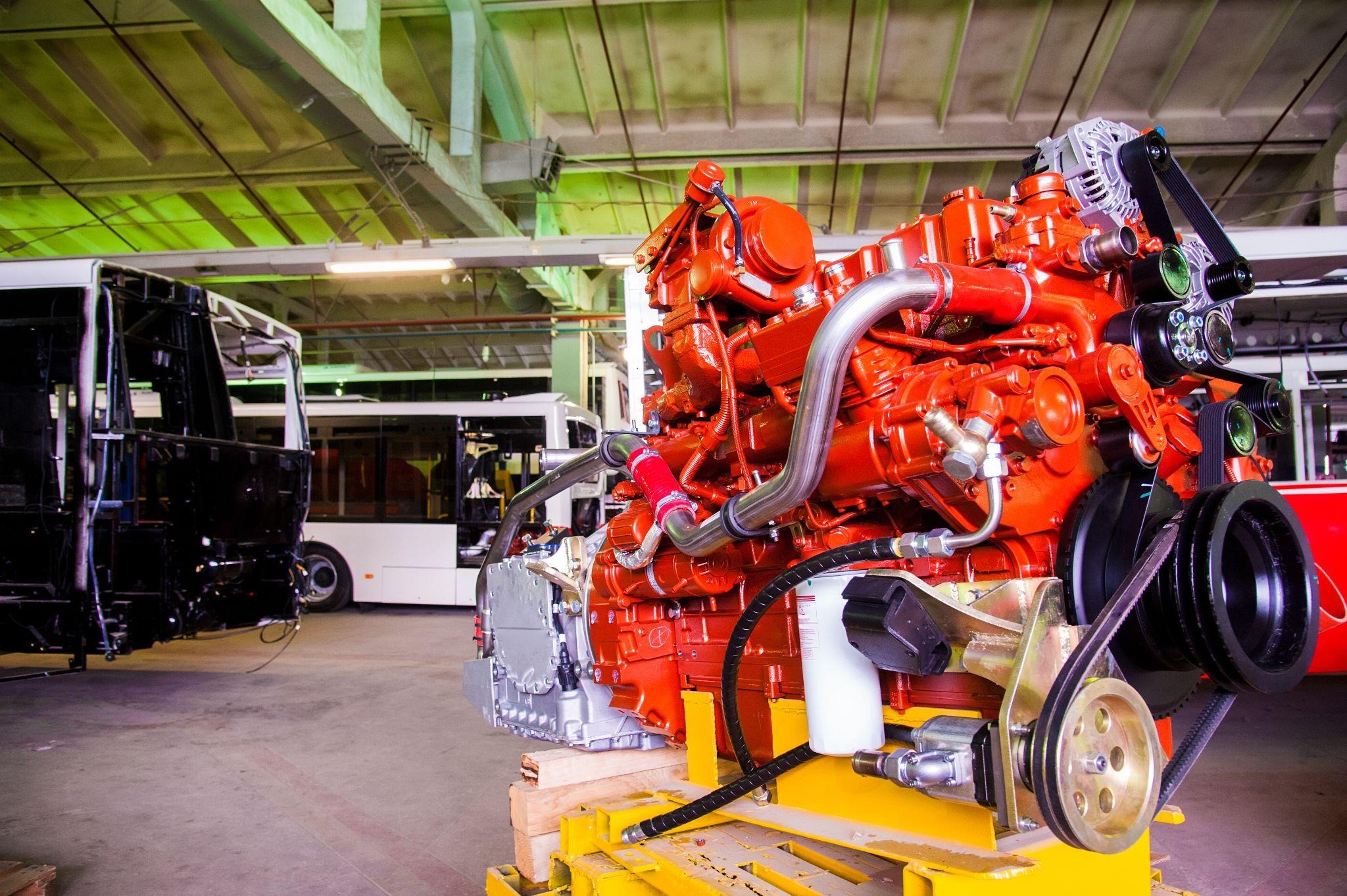
A friend of mine drove his 2007 Honda CR-V for eleven years without a single major repair. Oil changes on schedule, brake pads when needed, one water pump at 90,000 miles. Then the timing chain jumped on a Tuesday morning commute, and the valves met the pistons in a way Honda never intended. The shop quoted him $5,200 for a remanufactured long block plus labor. His car was worth maybe $6,000 on a generous day.
He almost scrapped it. Instead, he started researching JDM engine imports, made every mistake in the book, and ended up spending nearly as much as the reman quote after two failed purchases. His experience isn’t unusual. And the errors he made follow a pattern that repeats across thousands of similar situations every year.
Mistake one: buying on price alone
The instinct makes sense. Your engine just died. You’re already looking at a repair bill you didn’t budget for. So you search for the cheapest replacement you can find. There’s a listing on eBay for a K24A at $800 shipped. Another seller on Facebook Marketplace has one for $650 “runs great.” The established importer with the warehouse, testing facility, and 60-day warranty wants $1,400.
My friend went with the $650 engine. It arrived without a wiring harness. The intake manifold had a visible crack near the number two runner. No compression test results were included. The seller responded to his complaint with a one-line message: “all sales final.” He was out $650 and back to square one.
The math on cheap engines rarely works out. The team at Texas JDM Motors and other established importers price their inventory higher because the cost of testing, warehousing, photographing, and warranting each unit is built in. That $1,400 engine arrives tested, documented, and backed by a return policy. The $650 engine is a lottery ticket with bad odds.
Shop labor is the hidden multiplier here. If you’re paying a mechanic $100 to $130 per hour for an engine swap, and the first engine fails and needs to come out, you’re paying for removal, diagnosis, and a second installation. Eight to twelve hours of labor twice adds $1,600 to $3,100 to the total cost. The “savings” on a cheap engine evaporate before the car leaves the lift.
Mistake two: ignoring the JDM versus USDM differences
This one catches people who do their research halfway. They know the engine code. They know it fits their chassis. What they miss is that the Japanese domestic market version of the same engine often has different sensors, a different ECU calibration, a different emissions setup, or a different intake configuration than the version sold in North America.
Take the SR20DET. The S13 Silvia version from Japan and the 240SX version from the U.S. share the same block and head, but the wiring harness, throttle position sensor, and mass airflow sensor differ. A straight swap without harness adaptation leaves you with a check engine light that won’t clear and idle behavior that makes the car undrivable in traffic.
Toyota’s 3S-GTE across different generations shows similar variance. The Gen 3 version from the Caldina GT-Four uses a different turbo, a different intercooler routing, and a different boost control system than the Gen 2 from the MR2 Turbo. Same engine family. Incompatible ancillaries.
The fix is straightforward but requires effort upfront. Confirm the exact engine variant before ordering. Cross-reference the JDM part number against the USDM equivalent. Ask the supplier whether the unit comes with the harness, sensors, and ECU or just the long block. Forums like Honda-Tech, NASIOC, and Zilvia have swap guides for nearly every common JDM-to-USDM combination, and spending an hour reading before buying saves days of troubleshooting after.
Mistake three: choosing the wrong shop for the install
Not every mechanic knows how to do an engine swap. That sounds obvious, but desperation clouds judgment. When your daily driver is dead and you need it back on the road, you take it to whoever can start soonest. If that shop’s experience is limited to brake jobs and timing belts, you’re asking them to handle a job that requires fabrication, wiring modification, and diagnostic skills they may not have.
JDM engine swaps have quirks that general repair shops don’t encounter in their normal workflow. Metric fasteners in sizes that don’t match the standard socket sets. Vacuum line routing that differs from the factory service manual for the U.S. model. Coolant temperature sensors that read in different scales. An experienced swap shop handles these without hesitation. A general shop burns hours figuring it out, and you pay for every one of those hours.
Wiring is where the most time gets wasted. JDM harnesses often use different connector pinouts than USDM versions, and splicing them incorrectly can fry an ECU or leave sensors ungrounded. Shops that specialize in Japanese imports keep adapter harnesses in stock or know exactly which pins to swap. A general mechanic googling wiring diagrams on their phone while the car sits on the lift is a red flag you can’t afford to ignore.
The best approach is to ask the shop directly: how many JDM swaps have you done in the past year? Which platforms? Can you show me a completed project? Reputable swap shops are proud of their work and will show you. The ones who hesitate or give vague answers are telling you something important about their experience level.
The pattern underneath all three mistakes
Each of these errors comes from the same root cause: treating an engine replacement as a commodity transaction rather than a technical project. The engine itself is one component. The supplier’s reliability is another. The installer’s expertise is a third. And the buyer’s willingness to research before spending is the thread that connects them all.
My friend eventually got his CR-V running. He bought a tested K24A from a reputable importer, had it installed by a shop that had done thirty Honda swaps that year, and drove the car for another four years before selling it with 195,000 miles on the chassis and roughly 55,000 on the replacement engine. His total cost for the successful swap, engine plus labor plus fluids and mounts, came in under $3,000. Less than the reman quote. Far less than the combined cost of his two failed attempts plus the final one.
He’ll tell you now that the money he wasted wasn’t really wasted on bad engines. It was wasted on impatience. He skipped the research, chased the lowest price, and handed the job to the first shop with an open bay. Every shortcut added cost. Every assumption went untested until it failed.
The lesson cost him about $2,000 and three months of frustration. It doesn’t have to cost you the same.
-

 Technology4 weeks ago
How AI-Powered Mobile Apps Are Transforming Business Growth and Customer Engagement
-

 Technology4 weeks ago
App Development Dallas: Costs, Services, Technologies & Trends
-

 Health3 weeks ago
Gelato Strain: Sweet Dessert Flavour with Balanced Hybrid Effects
-

 Business2 weeks ago
Amazon Data Security Practices
-

 Finance2 weeks ago
Smart Habits for Investing in Large Business Groups
-

 Sports2 weeks ago
How Casino Parties Can Make Your Event More Exciting and Memorable
-

 Fashion1 week ago
Inside the Boutique: Why the In-Store Experience Drives Posh Abaya’s Five-Star Reviews